July 29, 2026
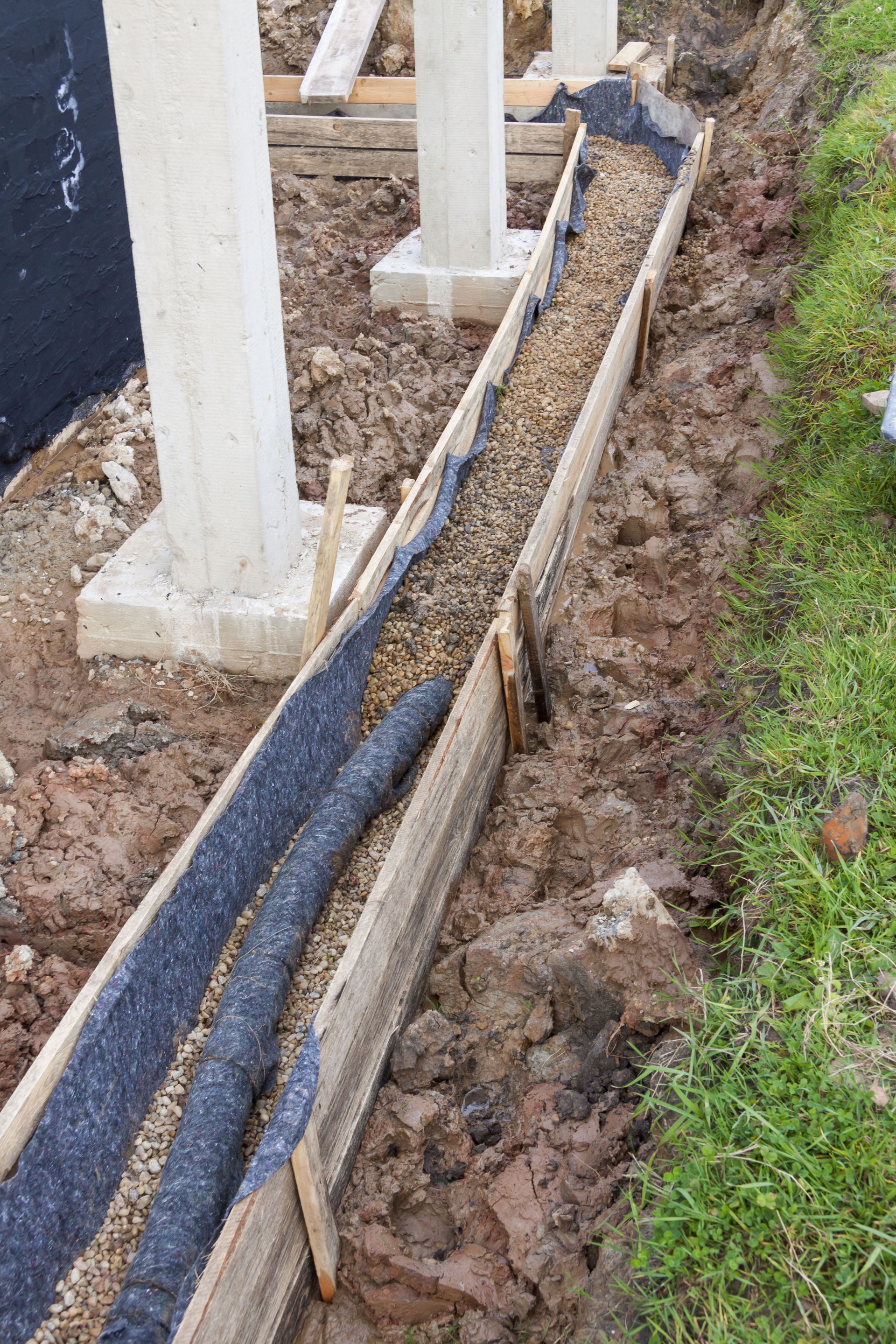
Before hiring an excavation contractor for your French drain installation, asking pertinent questions is crucial to ensuring a successful project. These inquiries will help you understand the contractor's expertise, the scope of work, and the expected outcomes. A French drain is an essential component for managing water drainage around your property and can prevent costly damage to foundations and landscapes. Proper planning and clear communication ensure the job is executed efficiently without unexpected delays or expenses. Furthermore, taking the time to evaluate candidates thoroughly will give you confidence in the long-term protection of your home. This article provides a comprehensive guide on the essential questions to ask, helping you make an informed decision while safeguarding your investment.
1. What Experience Do You Have with French Drains?
Understanding Their Background
When embarking on any home improvement project—especially one as significant as installing a French drain—understanding the contractor's background is vital. You want to ensure they have substantial experience specifically with drainage projects, as this guarantees that they are familiar with the nuances and potential issues that can arise. A seasoned excavation contractor with a solid track record will not only deliver a high-quality installation but also anticipate and mitigate common soil and site challenges. By asking about past projects, you can gain insights into their expertise and determine if their skill set aligns with your requirements.
Assessment of Past Projects
Reviewing an excavation contractor's past projects provides tangible evidence of their competence and reliability. Requesting references or visiting previous job sites can offer firsthand insights into the quality of their workmanship. Photographs, project portfolios, and client testimonials can serve as proof of their capability to deliver effective drainage solutions. Additionally, inquire if they encountered any significant obstacles in previous installations and how these were overcome. This showcases their problem-solving skills, adaptability, and ability to ensure your project is completed to the highest standard.
Client Testimonials
Client testimonials are a crucial tool in evaluating a contractor's reputation within the industry. Satisfied customers often describe the contractor's professionalism, adherence to timelines, and ability to deliver on promises. Testimonials that highlight successful French drain installations emphasize the contractor's proficiency in ensuring long-term drainage effectiveness. Considering experiences from previous clients can help you decide if the contractor is aligned with your expectations and if they've reliably installed drains that could last 30 to over 40 years, according to HomeGuide.
2. Can You Outline the Project Scope?
Initial Site Inspection
A comprehensive understanding of the project's scope begins with an initial site inspection. This evaluation allows the excavation contractor to determine the specific needs of your landscape and the most effective drainage solutions. During this inspection, the contractor should assess soil conditions, slope gradients, and potential obstructions that could impact the installation. Their ability to identify these variables will significantly influence the project's outcome, ensuring the installed French drain functions optimally. This step is critical for establishing a solid foundation for the remaining phases of the project.
Materials and Tools Needed
The choice of materials and tools is another essential aspect of outlining the project scope. Quality materials will determine the French drain's durability and longevity, so it's vital to ensure the contractor uses industry-standard resources. Additionally, understanding the heavy equipment they will deploy can highlight the precision and efficiency of their work. Discussing these details in advance helps clarify what to expect throughout the installation process and enables you to anticipate any specific preparations you need to make.
Projected Timeline
Establishing a clear timeline for the project is essential for your planning and coordination needs. A reputable excavation contractor will provide a realistic schedule outlining key milestones and the completion date. Knowing these details helps you arrange your affairs accordingly and reduces the likelihood of inconvenience due to disruptions. A detailed timeline reflects the contractor's ability to manage time efficiently, which is critical for maintaining momentum on the project. Be wary of overly ambitious schedules that could compromise the quality of the work.
3. What Are the Estimated Cost and Payment Terms?
Detailed Cost Breakdown
Understanding cost estimation is crucial for budget management and financial planning. A professional excavation contractor should provide a detailed cost breakdown, listing expenses for materials, labor, machine operating hours, and any additional charges related to the project. This transparency ensures you know exactly what you're paying for and where your money is allocated. Having this information upfront allows you to identify potential areas where costs might balloon unexpectedly, avoiding disputes as the project progresses.
Payment Schedule
Discussing the payment schedule is essential for establishing a mutual agreement on financial expectations. Contractors typically have varying payment structures, which may include upfront deposits, progress payments, and final settlements upon completion. Understanding these terms will help you plan your finances accordingly and ensure transparency throughout the project. Clear communication regarding payment intervals fosters trust and allows you to assess the contractor's financial stability and reliability.
Hidden Costs and Additional Fees
Avoiding unexpected fees is a crucial consideration for managing your project's budget. Ask your excavation contractor about potential hidden costs or unforeseen charges—such as encountering bedrock or unexpected underground utility rerouting—that may arise during digging. Understanding these possibilities enables you to budget for contingencies. A trustworthy contractor communicates openly about potential cost increases due to unforeseen conditions and provides clear solutions to manage them effectively.
4. What Safety Measures Do You Implement Onsite?
Equipment Safety Procedures
Ensuring equipment safety is a pivotal aspect of any heavy digging operation. An experienced excavation contractor employs rigorous procedures to secure machinery and tools onsite, minimizing risk to workers, bystanders, and your home's foundation. Understanding their approach to equipment safety illustrates their commitment to the best practices and accident prevention. Regular maintenance checks, operator training, and safety briefings indicate a contractor who prioritizes safety on every job site.
Worker Safety Protocols
Worker safety protocols are integral to the overall safety plan of the project. Contractors should outline and enforce stringent measures consistent with occupational safety standards. This includes personal protective equipment (PPE), routine safety meetings, and trench safety protocols to prevent cave-ins during deep digs. Knowing that these protocols are firmly in place enhances confidence that the contractor values human health and safety while protecting your property.
Accident Prevention Strategies
An essential consideration is the implementation of accident prevention strategies throughout the project lifecycle. Proactive measures include risk assessments, constant site evaluations, and checking for underground utility lines before breaking ground. These strategies are indicative of a contractor's commitment to reducing incident rates and ensuring a smooth, uninterrupted execution of the project. Selecting a cautious contractor safeguards both their workforce and your landscaping.
Proper due diligence in selecting the right team is essential for the successful and efficient installation of a French drain. By asking these targeted questions, you will be better equipped to make informed decisions and ultimately safeguard your property investment. An effectively installed French drain can significantly improve drainage around your property, preventing costly foundation damage and enhancing overall landscape value. Taking these steps ensures that your efforts and resources are aligned with a professional who is capable of delivering a durable, long-lasting solution.
Ready to protect your foundation from costly water damage? Contact our expert excavation contractor at Rino Excavation today to schedule your site evaluation and get a free quote!